

The market for olive oil packaging is undergoing changes
For a long time, glass bottles have been the most common packaging form in the olive oil industry.
However, in recent years, more and more olive oil brands have begun to adjust their packaging strategies.
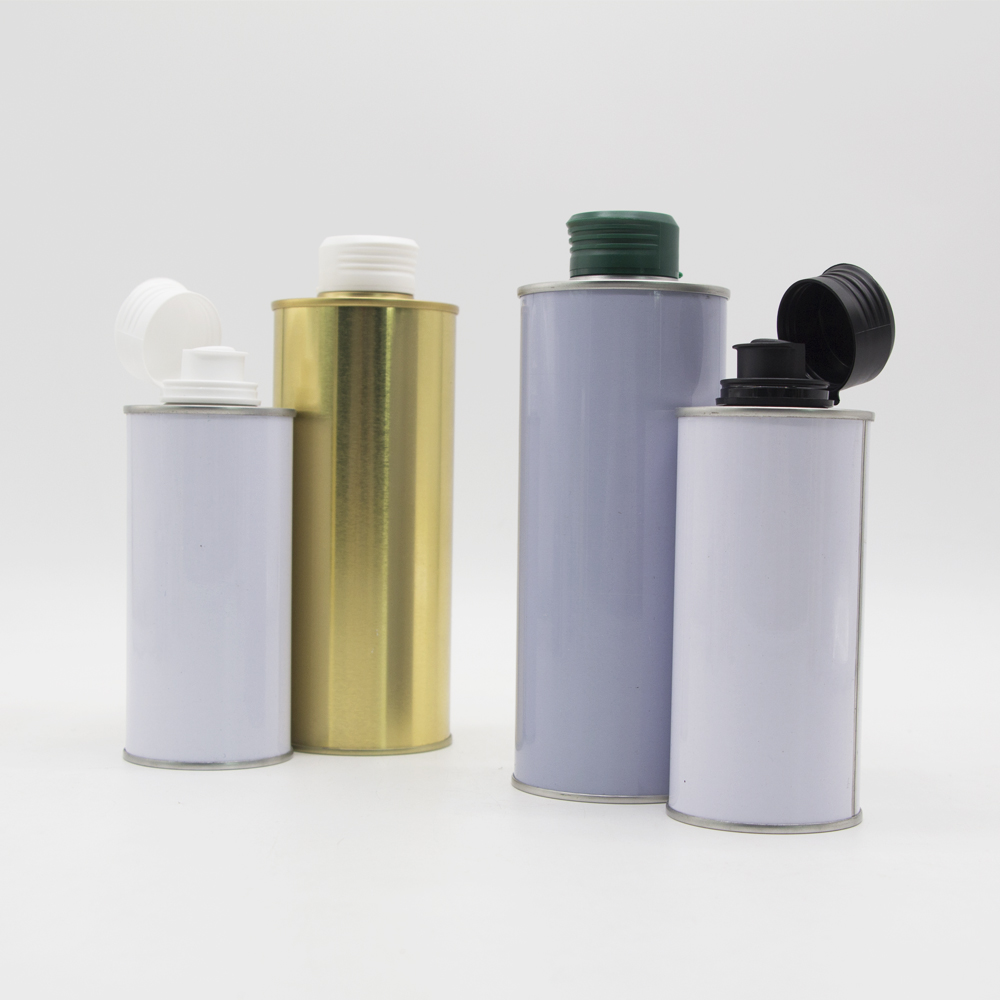
Especially in export markets, mid-to-high-end brand markets, and large-capacity household consumption markets, tin cans for olive oil are becoming increasingly popular.
From Europe to South America, from the Middle East to North America, an increasing number of brands are launching lines of products in iron can packaging.
So, why are more and more brands shifting from glass bottles to tin cans for packaging?
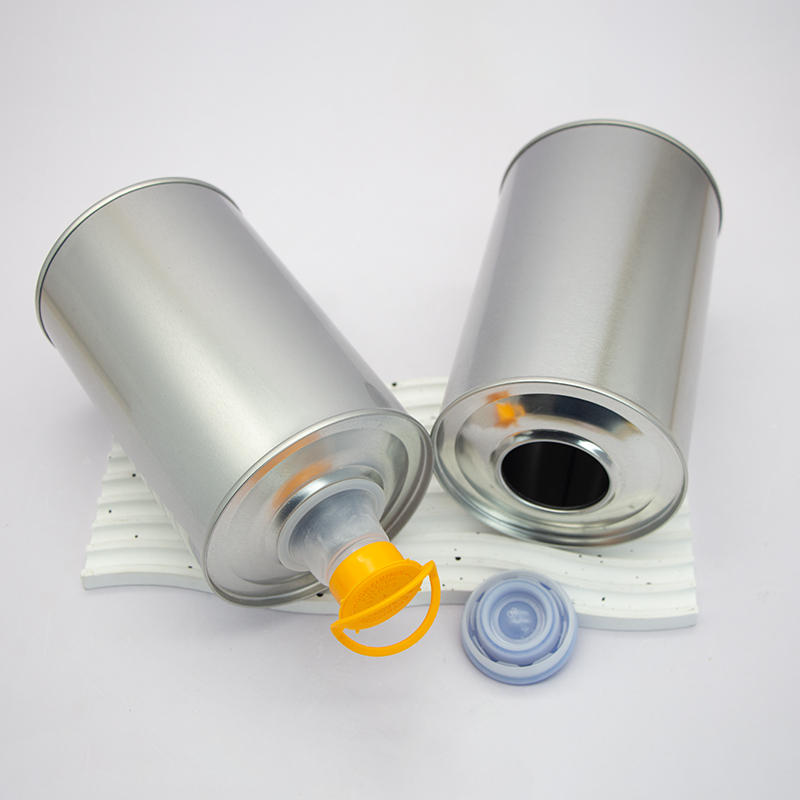
Light is one of the greatest threats to the quality of olive oil
High-quality olive oil is rich in natural antioxidants, vitamin E and polyphenolic substances.
However, this also makes it very sensitive to light. When olive oil is exposed to light for a long time, the rate of oxidation will significantly increase.
This may lead to:
- Flavor deterioration
- Aroma attenuation
- Color change
- Nutritional content loss
- Storage period shortening
In contrast, tinplate packaging can achieve complete light avoidance.
The iron can forms a solid barrier, effectively blocking ultraviolet rays and visible light from entering the packaging interior.
For high-quality virgin olive oil, this protection is particularly important.
Common Problems of Glass Packaging
- Heavy in weight
- High transportation cost
- High packaging protection cost
Once the product is damaged, not only will the product itself be lost, but the entire batch of goods may also be contaminated.